
When Climate Risk Becomes Human Risk: Implications for Modern Slavery Due Diligence
February 18, 2026
Climate change and modern slavery are often discussed separately, but in practice they are increasingly connected. As extreme weather events intensify, more people are being displaced from their homes and livelihoods, and many face heightened risks of exploitation as a result.
The scale of displacement
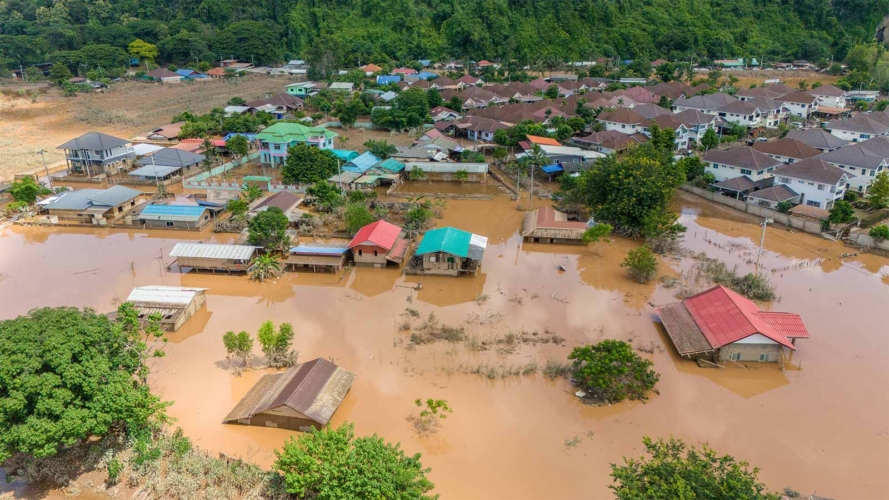
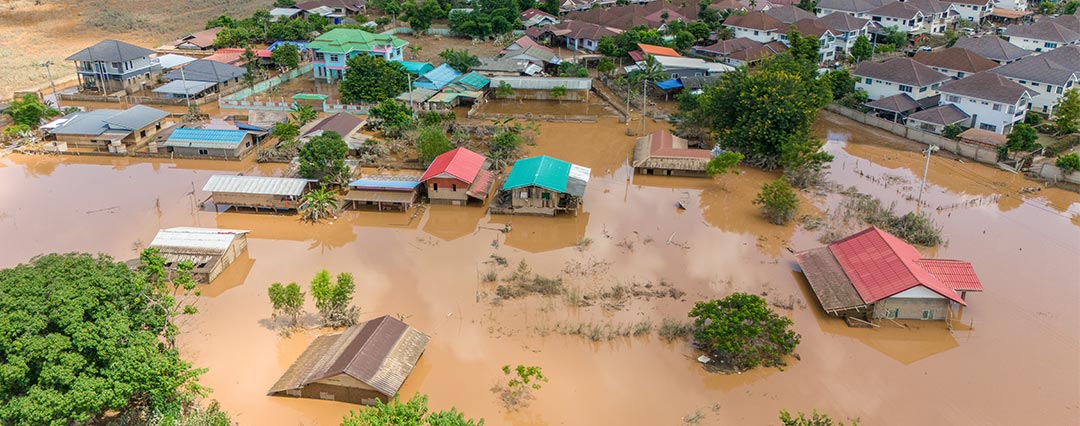
The connection between climate change and modern slavery extends beyond supply chains. Over the past decade, weather-related disasters have forced approximately 250 million people to leave their homes, equivalent to around 70,000 people displaced every single day.[1] From floods in South Sudan and Brazil, to heatwaves in Kenya and Pakistan, and severe water shortages in Chad and Ethiopia, extreme weather events are forcing already vulnerable communities to migrate.
As documented by the UN Refugee Agency in 2025, these movements are rarely planned or supported. Instead, migration often occurs “in distress”, meaning under conditions of severe need and uncertainty[2]. In these conditions, the risk of exploitation increases significantly. Without stable income or social support, people may be driven to accept unsafe or deceptive work simply to survive, increasing their exposure to human trafficking, forced labour, child labour, and debt bondage—all forms of modern slavery. As rising temperatures, droughts, and natural disasters undermine livelihoods, more people are pushed toward such exploitative arrangements[3].
Climate change as a stress multiplier
These impacts are not experienced evenly. Vulnerability is shaped by factors such as gender, age, disability, legal status, and socioeconomic conditions. Climate change acts as a stress multiplier, deepening these inequalities[4]. For displaced people, lack of legal status or documentation often restricts access to safe and formal employment. And even when the right to work exists, discrimination and administrative barriers can force people into informal, cash-only labour markets where exploitation thrives. Certain groups, such as women, children, and people with disabilities, may experience heightened vulnerability because of systemic barriers and limited access to protection and support.

Addressing workforce risks
Understanding how climate change can drive modern slavery risk is becoming increasingly important for organisations, particularly those with operations or supply chains in climate-affected regions.
This means examining how environmental pressures may change risk profiles in regions experiencing droughts, floods, or displacement.
- Do suppliers have adequate support systems for workers affected by climate disruptions?
- Do recruitment practices account for the heightened vulnerability of displaced or migrant workers?
- Are grievance mechanisms available to workers?
Recognising that climate action and human rights are deeply interconnected helps ensure that responses to climate change don’t inadvertently increase the risk of exploitation. By acknowledging these intersecting vulnerabilities, organisations can strengthen due diligence, better protect workers throughout their supply chains and play a meaningful part in delivering a just transition.
Please Contact Us if you would like to learn more.
Cress is the Hydroflux Group’s in-house sustainability consulting team, operating as a specialised division and driven by a simple but powerful goal: to help organisations across Australia, New Zealand and the Pacific region create a more sustainable future. As a young and agile team, we combine technical expertise with fresh, forward-thinking approaches to help clients navigate complex challenges across climate risk, emissions reduction, modern slavery, water stewardship, and ESG reporting, building on the Hydroflux legacy of engineering excellence while bringing a sustainability lens to the industries and communities shaping the future of our region.
[1] United Nations High Commissioner for Refugees (UNHCR) (2025). No Escape II: The Way Forward. Bringing climate solutions to the frontlines of displacement and conflict. https://www.unhcr.org/news/press-releases/unhcr-report-reveals-extreme-weather-driving-repeated-displacement-among
[2] idem
[3] World Bank Group (2021). Climate Change Could Force 216 Million People to Migrate Within Their Own Countries by 2050. https://www.worldbank.org/en/news/press-release/2021/09/13/climate-change-could-force-216-million-people-to-migrate-within-their-own-countries-by-2050
[4] Anti-Slavery and International Institute for Environment and Development (2021). Climate-induced migration and modern slavery: A toolkit for policy-makers. https://www.antislavery.org/wp-content/uploads/2021/09/ClimateMigrationReportSep2021_low_res.pdf
Up Next
Automation in Water Treatment: Supporting Operators, not Replacing Them
Categories
- Tradeshows
- Climate
- Community Engagement
- Corporate Announcements
- Group News
- Newsletters
- Product News
- Project Announcement